Managing products does not end when a purchase is recorded or a sale is completed. Businesses may also need to keep track of product warranty periods and expiry dates, particularly when dealing with electronics, pharmacy products, spare parts, appliances, and other time-sensitive products. BManagerHQ helps businesses maintain warranty and expiry information as part of their product and inventory management workflow. By keeping these details organized with product records, businesses can more easily identify products with warranty coverage or products approaching their expiry date.
Whether you operate a retail shop, electronics business, pharmacy, spare parts store, or multiple branches, organized warranty and expiry tracking can help improve product management and customer service.
What Is Warranty & Expiry Tracking?
Warranty & Expiry Tracking is the process of recording and monitoring warranty information and product expiry dates.
For products that have a warranty period, businesses may need to know:
Which product was sold
When it was sold
Whether the product is still within its warranty period
Which product or variant is covered
Relevant warranty information associated with the product
For products with expiry dates, businesses may need to monitor:
Products such as electronics, appliances, mobile accessories, machinery parts, and certain equipment may be sold with warranty coverage. Instead of relying entirely on paper documents or manually maintained records, businesses can keep relevant warranty information connected with their product management workflow. This can make it easier for employees to refer back to product information when handling customer inquiries or checking product records.
Example
A business sells an electronic device with a defined warranty period. The business can maintain the relevant product and sales information so that warranty-related details can be referred to when needed.
This is particularly useful when a customer returns to the business with a warranty-related question.
Monitor Product Expiry Dates
Expiry tracking is especially important for businesses selling products with limited shelf life.
For example:
Pharmacy products
Food and grocery products
Cosmetics
Certain chemical products
Other date-sensitive inventory
When expiry information is properly maintained, businesses can identify products that require attention instead of discovering expired stock only after it has remained in storage for too long. Expiry tracking can therefore become an important part of inventory control.
Warranty and Expiry Information With Product Management
Warranty and expiry tracking becomes more useful when it is connected with the product catalog and inventory system. A business can maintain product information together with relevant warranty or expiry details instead of managing these records separately. This creates a more organized product management workflow.
For example, a product record may contain information such as:
Product name
Product variant
Stock information
Warranty information
Expiry information where applicable
Related sales or inventory records
The exact information maintained can depend on the type of product and the business's operational requirements.
Reduce Problems With Expired Inventory
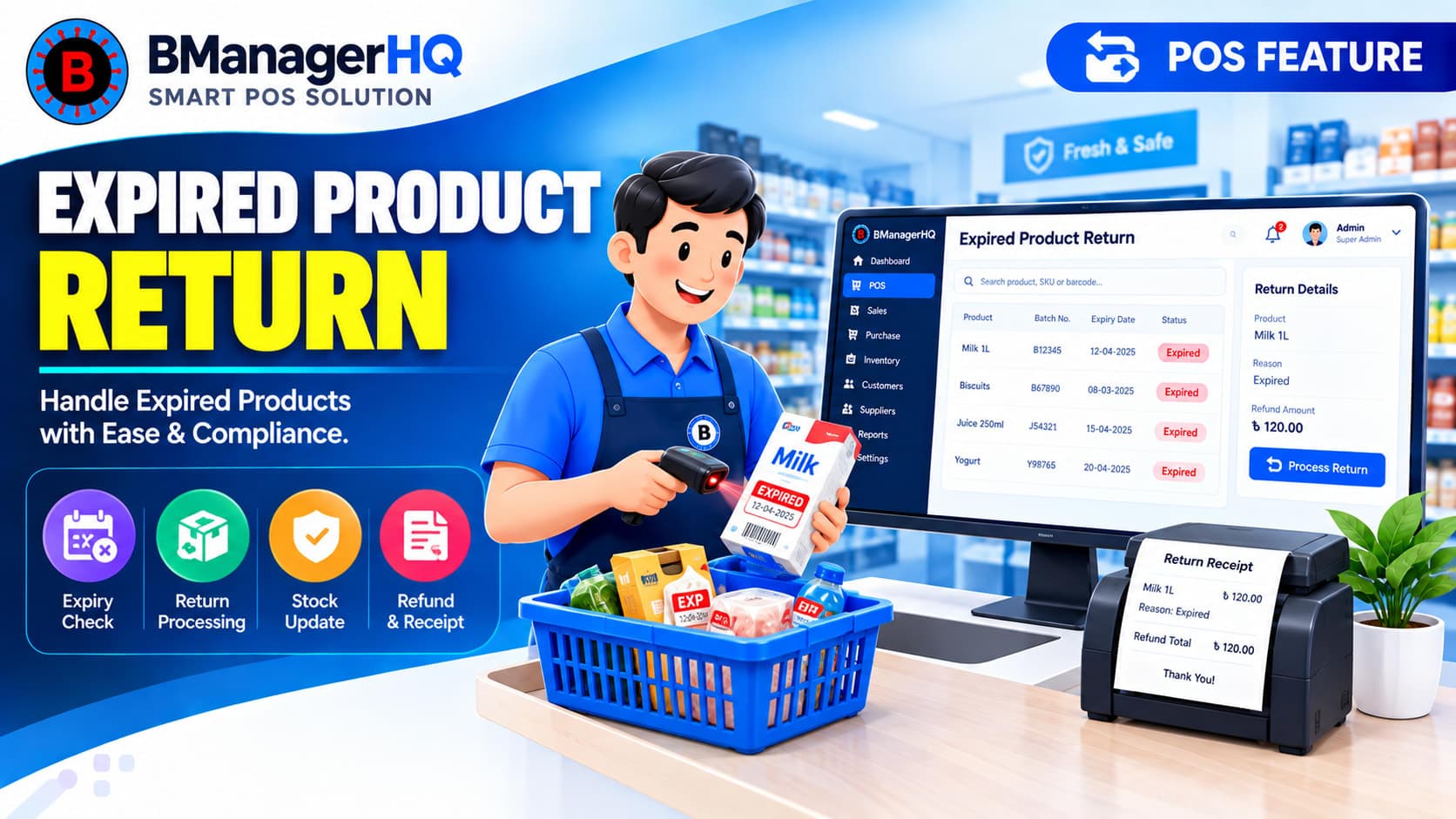
For businesses dealing with expiry-sensitive products, identifying expired inventory is an important part of stock management. Without organized expiry information, employees may have difficulty determining which products require attention, particularly when inventory grows across multiple products and locations. With expiry information maintained alongside product records, businesses can build a more structured process for reviewing inventory.
This can help businesses:
Identify products that have reached expiry
Review products approaching expiry
Reduce the chance of overlooking date-sensitive stock
Keep inventory records more organized
Make better stock-management decisions
Warranty Tracking for Customer Service
Warranty information can also support customer service. When a customer contacts a business about a product that may still be under warranty, employees may need to review the relevant product and sales information. Organized warranty records can make this process easier by providing a structured reference point.
Example
A customer purchases an electronic product from a retail store. Later, the customer contacts the store regarding a warranty issue. The business can refer to the relevant product and transaction information to determine whether the product falls within the applicable warranty period. This provides a more organized approach to handling warranty-related inquiries.
Useful for Different Types of Businesses
Warranty and expiry tracking can be valuable for different types of businesses.
Electronics & Mobile Shops
Track warranty-related information for devices, accessories, and electronic products.
Pharmacy Businesses
Monitor expiry-sensitive products and maintain better inventory records.
Grocery & Retail Stores
Manage products that have defined shelf-life periods.
Spare Parts Businesses
Maintain warranty information for parts and products where warranty coverage is relevant.
Appliance & Equipment Businesses
Keep warranty-related product information organized for customer service and after-sales reference.
Multi-Branch Businesses
Businesses operating multiple shops, branches, or warehouses can combine product management with their broader location-based inventory workflow.
Combine Warranty Tracking With Inventory Management
Warranty and expiry tracking should not operate separately from inventory management. Product information, stock levels, purchases, sales, and locations can all be part of the broader product management process.
For example, a business may:
Add a product to its catalog.
Maintain the relevant product information.
Purchase stock from a supplier.
Store the stock at a warehouse or shop.
Sell the product through POS.
Maintain relevant warranty or expiry information.
Review the product information when required.
This provides a more structured way to manage products throughout their business lifecycle.
Warranty & Expiry Tracking With Multiple Locations
Businesses with multiple shops, branches, or warehouses may have additional challenges when managing products. A product may be stored in one location while another product or variant is available at a different location. Combining warranty and expiry information with Multi-Location Management can help businesses maintain a more organized view of their inventory across locations.
For example, a business with:
Central warehouse
Branch A
Branch B
Branch C
can manage its products across these locations while maintaining the relevant product information.
For example, a business can maintain its product catalog, manage stock across locations, sell products through POS, and refer to relevant warranty or expiry information as part of its ongoing operations. This makes warranty and expiry management part of the broader business management workflow rather than a completely separate process.
Why Warranty & Expiry Tracking Matters
As a business grows, the number of products and transactions can increase significantly. Manually remembering warranty periods or checking expiry dates becomes increasingly difficult. A structured system helps businesses maintain these details alongside their product and inventory information. For warranty-based products, this can support better after-sales handling.
For expiry-sensitive products, it can support better stock monitoring and inventory control.
The result is a more organized approach to managing products from purchase and storage through sales and ongoing product management.
Manage Products With Better Control
Warranty periods and expiry dates are important product details for many businesses. Keeping this information organized can improve product records, inventory management, and customer service.
With BManagerHQ, businesses can bring product management, inventory, sales, locations, warranty information, and expiry tracking into a more structured POS and business management workflow.
Track Product Warranty and Expiry Information
Protect your customers and your business by keeping warranty details, expiry dates, and product records organized. With BManagerHQ Warranty and Expiry Tracking, you can monitor important product information, respond to customer requests, and reduce the risk of selling expired products.
Warranty and expiry tracking is the process of maintaining product warranty information and expiry dates so businesses can monitor relevant product information throughout their operations.
Which businesses need expiry tracking?
Pharmacies, grocery stores, food retailers, cosmetics businesses, and other businesses selling date-sensitive products can benefit from organized expiry tracking.
Which businesses can benefit from warranty tracking?
Electronics stores, mobile shops, appliance businesses, spare parts stores, and other businesses selling products with warranty coverage can benefit from maintaining organized warranty information.
Can warranty tracking work with product management?
Yes. Warranty information can be maintained as part of the broader product and inventory management workflow.
Can expiry tracking be useful for inventory management?
Yes. Maintaining expiry information alongside inventory records can help businesses identify products that require attention and improve stock-management processes.
Can this work with multiple shops or branches?
Yes. Warranty and expiry management can be used as part of a broader product and inventory workflow for businesses operating multiple locations.
Create and manage product promotions with BManagerHQ POS software, including Bundle offers and Buy X Get Y promotions to increase sales and customer engagement.